Characteristics of Modernism: 1901-1945 (roughly)
Tend to experiment with highly individualistic styles of writing- the sense of the changing world was catalysed by radical new developments, including:
Tend to experiment with highly individualistic styles of writing- the sense of the changing world was catalysed by radical new developments, including:
- the beginning of mass democracy and the rise of mass communication
- information technologies advent (radio and cinema)
- emergence of new 'city conciousness'
- shift in power structures (women enter work force, gender qualms and equality)
- warfare at a global level
- fin de siècle consciousness
- critique of british imperialism and ideology of empire
- insights from the emerging fields of psychology and sociology
- break traditional form and reject traditional values
- emphasis on individual rather on society and group
- experiment with language

writers that take this on board include Eliot, Stevens and Kafka
Characteristics of Avant-garde:
pushing the boundaries of the normworks that are experimental or innovative- considered by some to be the hallmark of modernism
- promotion of radical social reforms
- opposed to 'high' or 'mainstream' culture, and rejects the artificially synthesized mass culture produced by industrialisation (Clement Greenberg- Partisan Review)
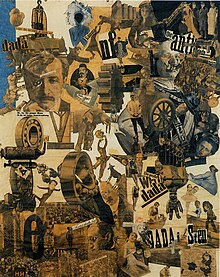
Avant-garde art movements include, Dadaism- born out of the negative reactions to horrors of WW/ rejects prevailing standards in art. It is the groundwork to abstract art and sound poetry

No comments:
Post a Comment